(And How to Recognize Them)
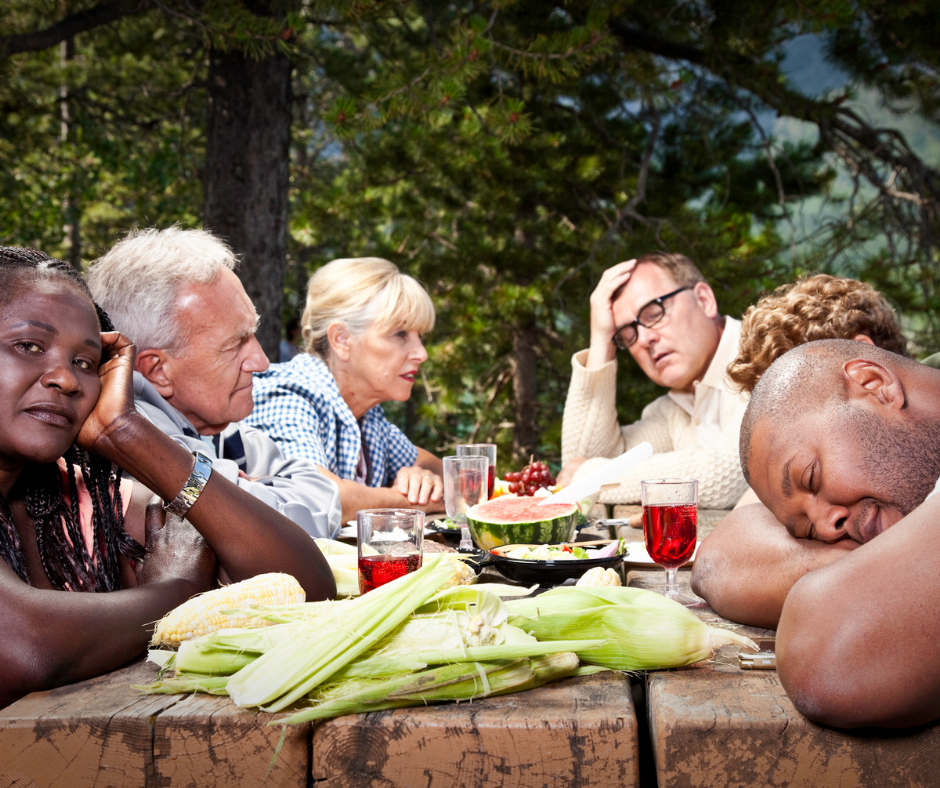
At first glance, a family might seem picture-perfect to outsiders—but behind closed doors, things can be very different.
A “dysfunctional family” is one where unhealthy patterns dominate, whether through constant conflict, emotional neglect, control, or instability. And the truth is, these patterns often get passed down from generation to generation.
In this blog post, we’ll break down the “10 most common types of dysfunctional families”, what sets them apart, and how these dynamics affect the people within them.
Whether you’re reflecting on your own childhood or trying to understand someone else’s story, this guide will help shed light on the unseen struggles behind family dysfunction.
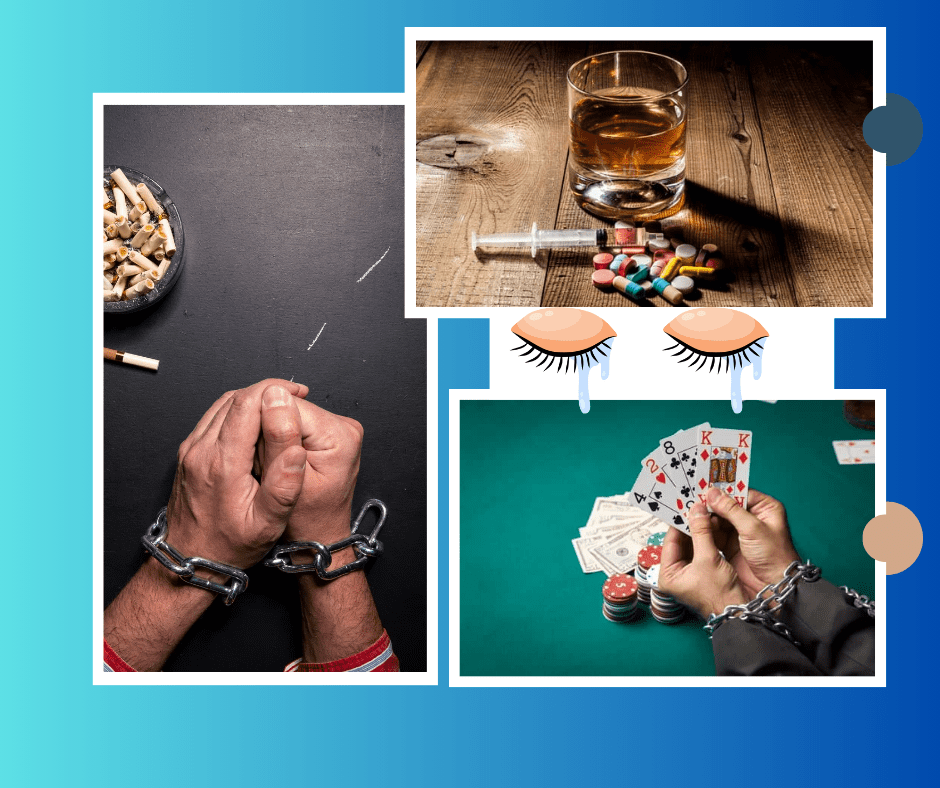
1. The Addicted Family
In this family type, addiction—whether to alcohol, drugs, gambling, or another behavior—becomes the central focus. The addicted person’s needs take priority, and other family members often fall into survival roles like enabler, hero, or scapegoat.
Common signs:
– Unpredictable moods
– Denial and secrecy
– Children taking on adult responsibilities

2. The Abusive Family
Abuse in families can be:physical, emotional, sexual, or verbal.
These homes operate under fear rather than love, and the trauma experienced can impact individuals for life.
What to look for:
– Control and manipulation
– Fear-based relationships
– Generational cycles of harm

3. The Neglectful Family
Neglect isn’t just physical – it includes emotional absence too.
Parents may be indifferent, overwhelmed, or incapable of meeting their child’s basic needs, leaving deep emotional wounds.
Signs of neglect:
– Lack of affection or presence
– Kids feeling invisible or unimportant
– Emotional self-reliance from a young age

4. The Authoritarian (Controlling) Family
In these families, love is conditional, and obedience is demanded without question. Individuality is often seen as rebellion.
Key characteristics:
– Rigid rules and discipline
– Lack of emotional connection
– Fear of making mistakes

5. The Enmeshed Family
This type blurs the lines between family members.
There’s little emotional independence, and boundaries are weak or non-existent.
Symptoms of enmeshment:
– Over-involvement in each other’s lives
– Guilt trips when asserting independence
– Codependent relationships

6. The Emotionally Distant Family
Typical traits:
– Emotional suppression
– Isolation within the household
– Difficulty expressing love

7. The Scapegoating Family
One member (often a child) is unfairly blamed for the family’s problems.
This allows other members to avoid accountability and shift focus from deeper issues.
Red flags:
– Constant criticism of one person
– Emotional isolation of the scapegoat
– Lack of support or defense from other members

8. The Chaotic Family
Chaos may stem from parental instability, unmanaged mental illness, or frequent crisis.
Structure is lacking, and daily life feels unpredictable.
Common experiences:
– Constant stress or anxiety
– No clear routines or roles
– Hypervigilance from a young age
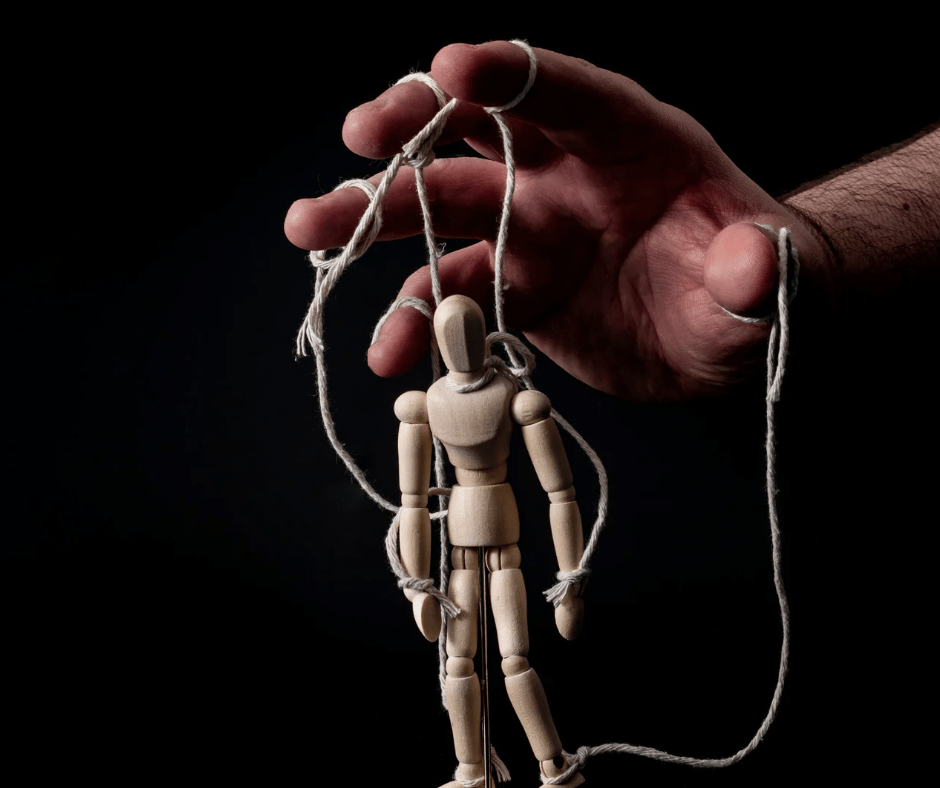
9. The Martyr Family
In this family, one member (often a parent) constantly sacrifices and then uses guilt to control others. Love is tied to obligation.
Watch for:
– Guilt-based manipulation
– Emotional blackmail
– Passive-aggressive behavior

10. The High-Conflict Family
Some families are stuck in a loop of arguments, blame, and unresolved tensions.
Even without direct abuse, this environment creates emotional instability.
Signs of high conflict:
– Chronic arguing
– No emotional safety
– Children internalizing anger or fear
Final Thoughts: Recognize the Patterns, Break the Cycle
Dysfunctional family dynamics come in many forms—and sometimes, families overlap across several types. If you see your story reflected here, know that you’re not alone and you’re not doomed to repeat the past.
Awareness is the first step to change.
Whether through therapy, education, or support networks, healing is possible. You can learn new ways of relating, set healthy boundaries, and break generational cycles of dysfunction.
The quickest, permanent, least painful and least exhausting ( emotionally) method has been recently officially scientifically approved.
The modality is called Belief Coding ®️. If you want to experience the power of it just book a session ASAP and start healing straight away.
You don’t need to suffer any more.
Have you experienced any of these family dynamics?
Share your thoughts in the comments – or pass this post on to someone who needs to read it.
 Optimistic Recharge
Leave a comment